
Loading...
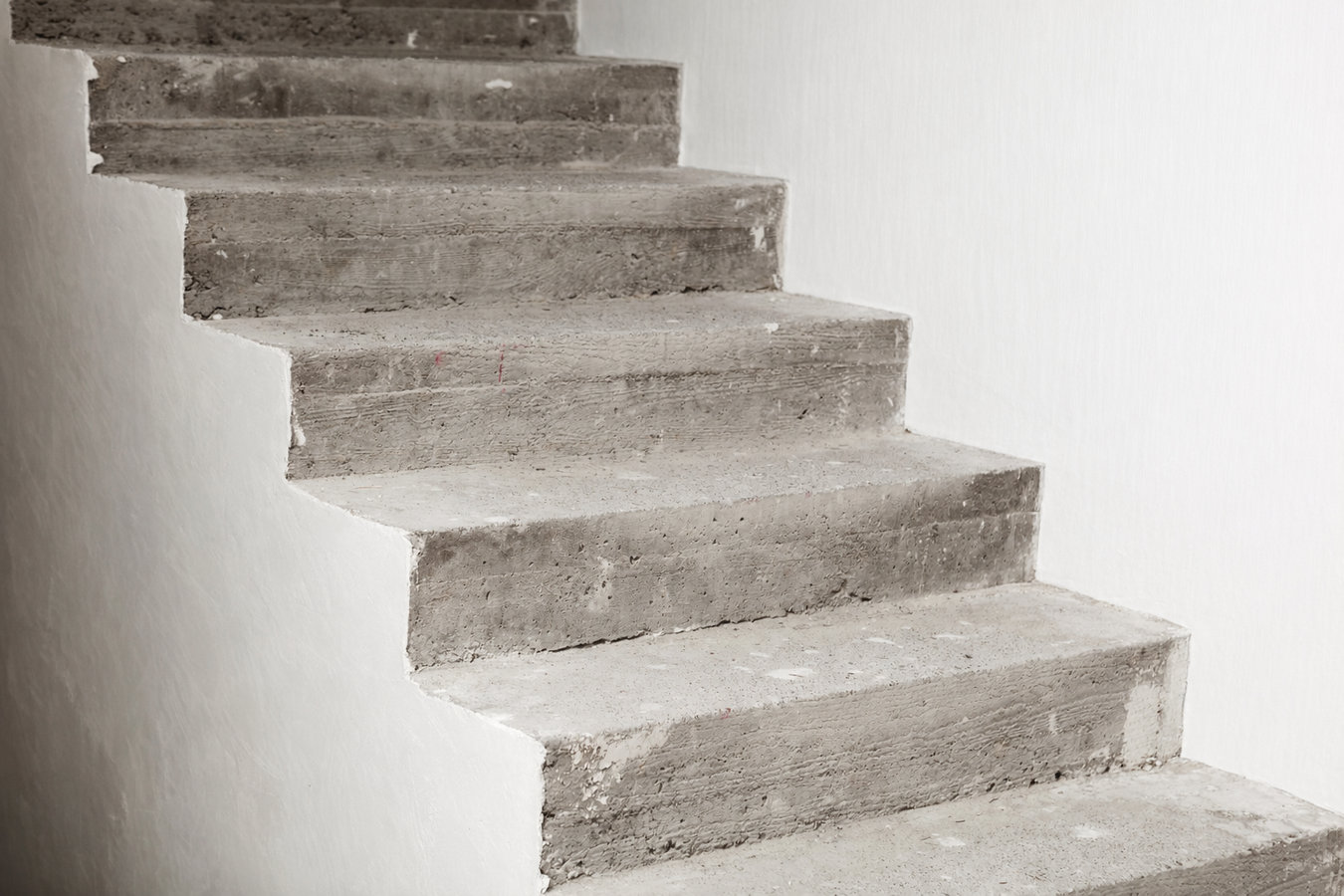
Crumbling, tilting, or pulling away from the house? We replace old entry steps with reinforced concrete built for Peru winters - properly pitched and finished to last.
Concrete steps construction in Peru, IN means setting forms to shape each tread and riser, placing rebar inside for structural strength, pouring and finishing the concrete, and sealing after curing - most residential step projects take one to two days of active work. Peru Concrete handles front door entries, side entries, garage steps, and pool-level transitions across Miami County. If your entry project includes a retaining element - a low wall alongside the stairs or a planted border that needs a concrete edge - our concrete retaining walls service can be incorporated into the same project visit and estimate.
Peru sits in Miami County, where clay-heavy soils shift with the seasons and hard winters bring freeze-thaw cycles that punish steps built without the right mix, reinforcement, and base preparation. Many older homes in Peru have steps that have been patched several times but keep failing. At some point, a patch is a short-term answer to a long-term problem - and replacing the steps properly is the more economical choice.
Surface cracks that have grown wide, spread to the edges, or cut across multiple treads are past the point of simple patching. In Peru's freeze-thaw climate, water enters those cracks, freezes every winter, and widens them a little more each season. Waiting typically means a bigger job, not a smaller one.
A gap between the staircase and your home's foundation, or steps that tilt noticeably to one side, means the ground underneath has shifted. Miami County's clay soils expand when wet and shrink when dry - a cycle that moves concrete over time. This is a trip hazard that gets worse, not better, without replacement.
Well-built steps pitch slightly forward so rain and snowmelt run off each tread. If you see water sitting on the steps after a rain, the pitch has failed - either from settling or poor original construction. Standing water freezes in winter, turning each tread into a slip hazard and accelerating the freeze-thaw damage underneath.
Steps that look tired, pitted from years of road salt exposure, or chipping at the edges affect how your whole home presents - especially from the street. If you have updated other parts of your home exterior, or you are thinking about selling, fresh concrete steps make an immediate visible difference.
Every steps project starts with demolition and base preparation. Old steps get broken out and hauled away, then we excavate and compact a gravel base to give the new steps a stable, well-drained foundation. Skipping this step is one of the main reasons steps crack and settle early - especially in Peru's clay soils. We then set forms for each tread and riser, place rebar inside the pour, and finish the surface before the concrete sets. For homeowners building a complete entry - steps plus a landing or a short walkway - we also handle the slab foundation work that ties the landing to the steps and the house.
Finish options range from a standard broom texture - the most common and most durable choice for an entry - to exposed aggregate and stamped patterns that add curb appeal without sacrificing traction. Sealing after the concrete fully cures is an important last step that protects against moisture, staining, and the freeze-thaw damage that is Peru's biggest concrete threat. We advise all clients to use sand rather than road salt on new steps through the first winter, since de-icing chemicals are hard on fresh concrete.
Homeowners who want a durable, slip-resistant entry that holds up through Indiana winters without any special maintenance - the most common choice for residential front and side doors.
Homeowners who want a textured finish with a natural, slightly decorative look - exposed stone adds grip and visual interest while staying easy to maintain year to year.
Homeowners who want entry steps that match a stamped patio or decorative driveway, or who are updating the whole front entry as one curb-appeal project.
Peru is built on glacially deposited soils with significant clay content - and that matters for concrete steps. Clay expands when wet and contracts when dry, which means the ground under your steps moves with the seasons. Add in the freeze-thaw cycles that run from late fall through early spring in north-central Indiana, and steps built without proper base prep and air-entrained concrete are on borrowed time from the day they are poured. The practical pouring window is roughly April through early June and September through October - outside those windows, concrete work requires extra protective measures that add cost and risk.
Homeowners in Wabash, IN and Rochester, IN deal with the same freeze-thaw and clay soil conditions as Peru. We work across this region every season and design every step project to account for local frost depth, soil drainage, and road salt exposure - the three factors that determine whether your new steps still look good after five Indiana winters.
Describe your steps - number of treads, width, whether there is an existing structure to remove, and any finish preferences. We respond within 1 business day to schedule a site visit. No commitment required.
We measure the rise and run of the staircase, check existing conditions and soil drainage, and assess what base prep is needed. You get a written estimate covering demolition, base prep, forms, the pour, finish, and sealing.
If your project requires a permit from the city or county, we pull it before work begins. Permitted work gets an independent inspection - confirmation the job meets local building standards. Once the permit is in hand, you get a confirmed date.
The crew demolishes the old steps, preps the base, sets forms, and pours the new concrete in one active session. After a curing period - plan on limited entry use for at least 24 to 48 hours - we do a final walkthrough and review care and sealing instructions with you.
We respond within 1 business day. Submit your project details and we will follow up to schedule a free on-site visit - no pressure, no obligation. Spring and fall booking windows fill up fast, so reaching out early keeps you ahead of the schedule.
(765) 919-8766Internal steel reinforcement holds a set of steps together if the ground shifts or the concrete is stressed by freeze-thaw cycles. We include rebar in every residential step project - not as an upgrade, but as a baseline standard. Steps built without it are more likely to crack or separate over time in Miami County's clay soils.
The concrete mix we specify for step projects includes air entrainment, which gives the concrete tiny voids that absorb expansion pressure when water inside freezes. This is the mix design standard recommended for cold climates - and it is the difference between steps that chip and spall and steps that hold their surface for years.
Steps need a slight forward pitch on each tread so water runs off rather than sitting. We build that into the form layout before the pour - it is not an afterthought. Standing water on steps freezes in winter and creates a slip hazard and a surface damage cycle that proper pitch prevents entirely.
Hiring a contractor who meets Indiana licensing requirements protects you if something goes wrong. You can verify contractor licensing through the Indiana Professional Licensing Agency. We pull required permits, carry appropriate insurance, and give you a written scope and warranty before any work begins.
The proof is in how steps perform after a few Indiana winters - not how they look on the day of the pour. Every decision we make during a step project is aimed at the five-year outcome, not just the day-one photo.
Concrete slab work for home additions, garages, and outbuildings - properly prepared base and reinforcement for long-term stability on Miami County soils.
Learn MoreStructural concrete walls that hold back soil on sloped entries and yards - often combined with a steps project to finish an entry grade change completely.
Learn MoreSpring and fall booking slots fill up fast - reach out now to lock in your project date and get your entry fixed before the next freeze season arrives.